When iteration becomes free
Google Flow now iterates a design for you, for free. So the value of an architect quietly moves somewhere else.
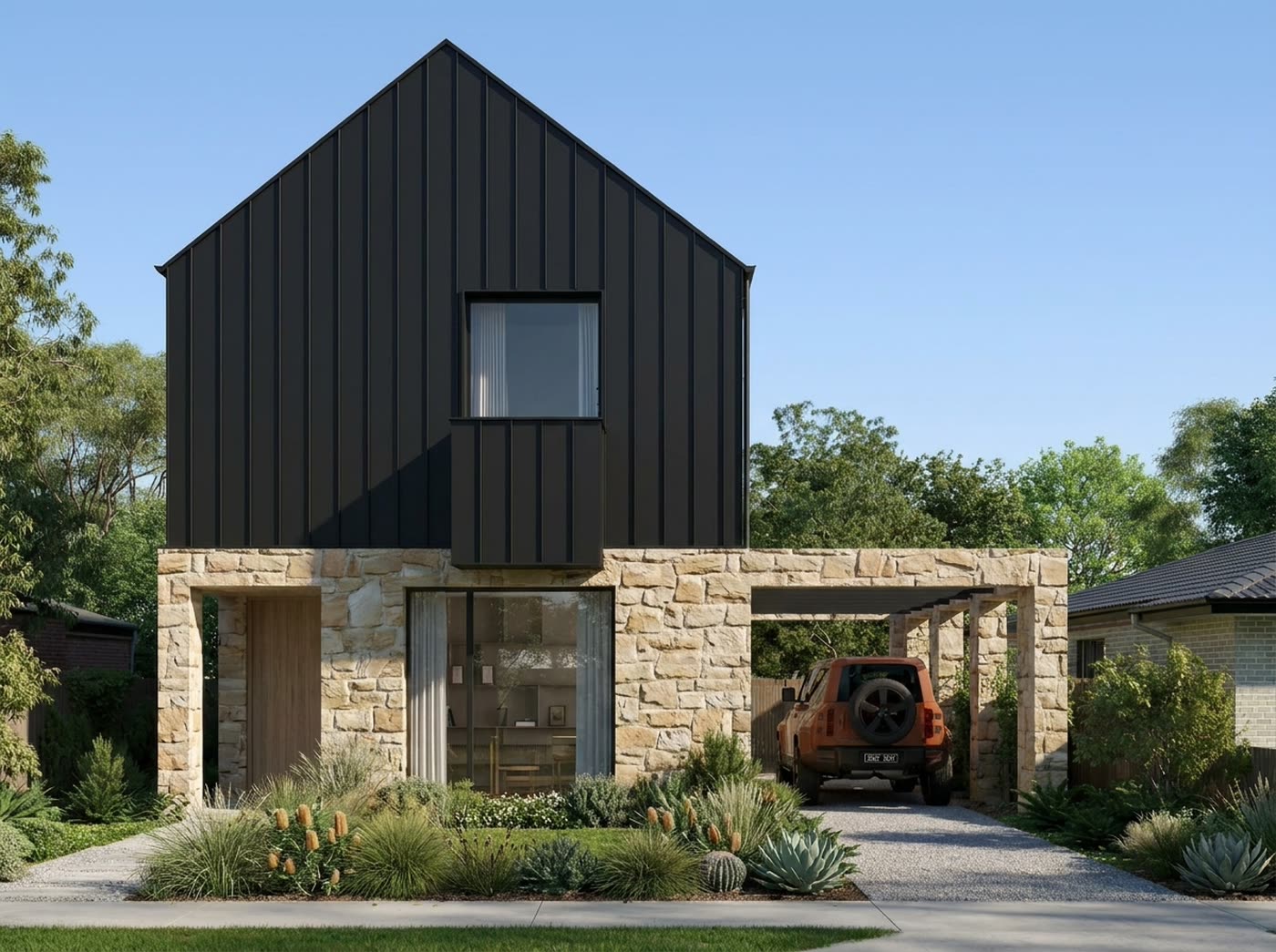
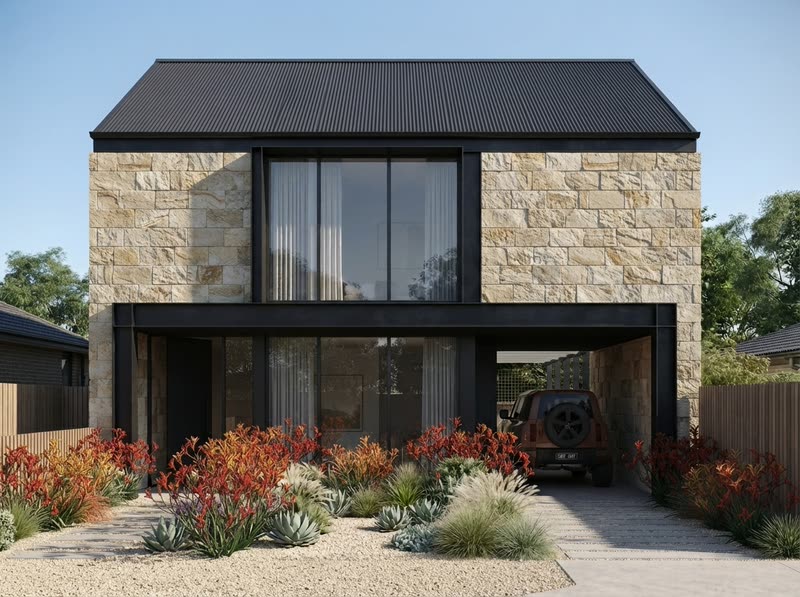
I gave an AI a single house design and asked it for options. It handed back more than a hundred, coherent and photoreal, in an afternoon. It cost nothing.
For most of my career, producing those options was the work. The variations, the what-ifs, the "show me it in dark timber instead." Hours of it. That part just became a commodity.
01 — The workflowDrop a design in, get the iterations out
The whole thing runs inside Google Flow. It now has a built-in chat assistant that generates image iterations for you, driven by Nano Banana Pro — Google's high-end image model. At the time of writing, it is free.
The method is almost too simple:
The trick is not the tool. It is writing a prompt that locks what must stay and frees only what should move — so the results read as true variants of one building, not four different houses.
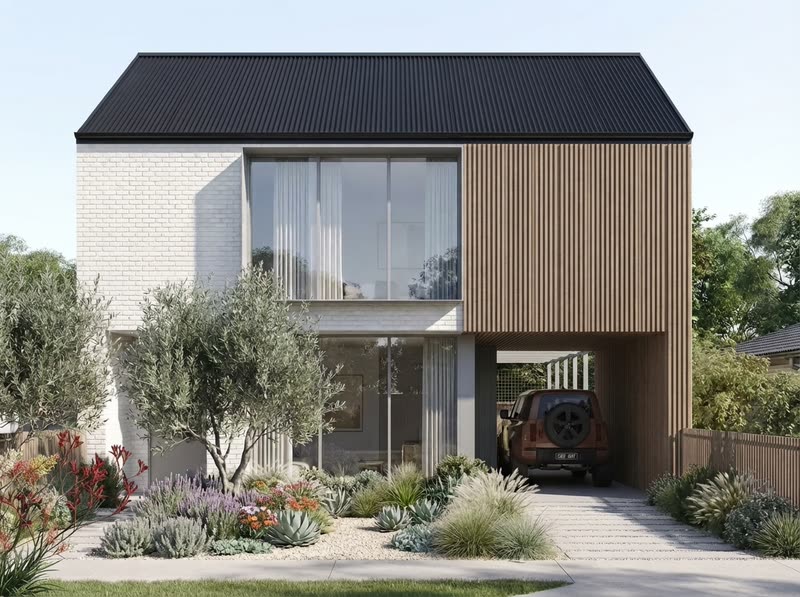
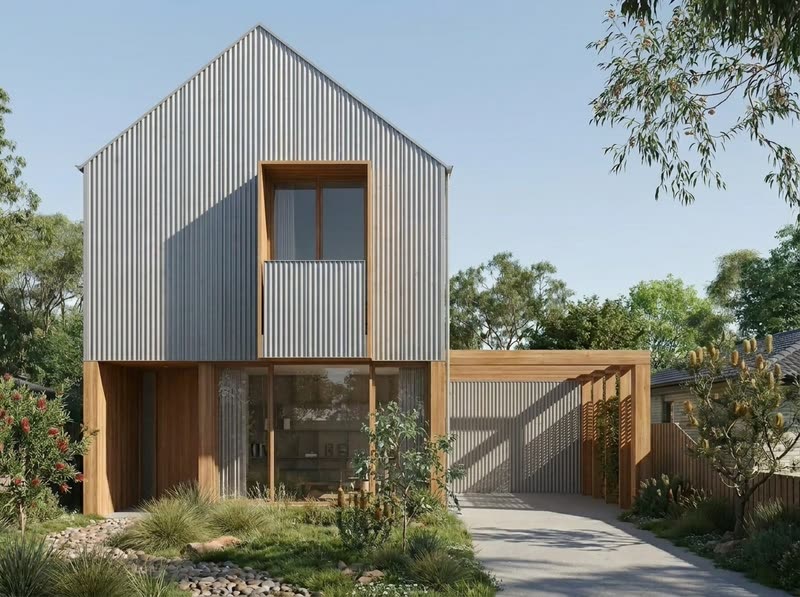
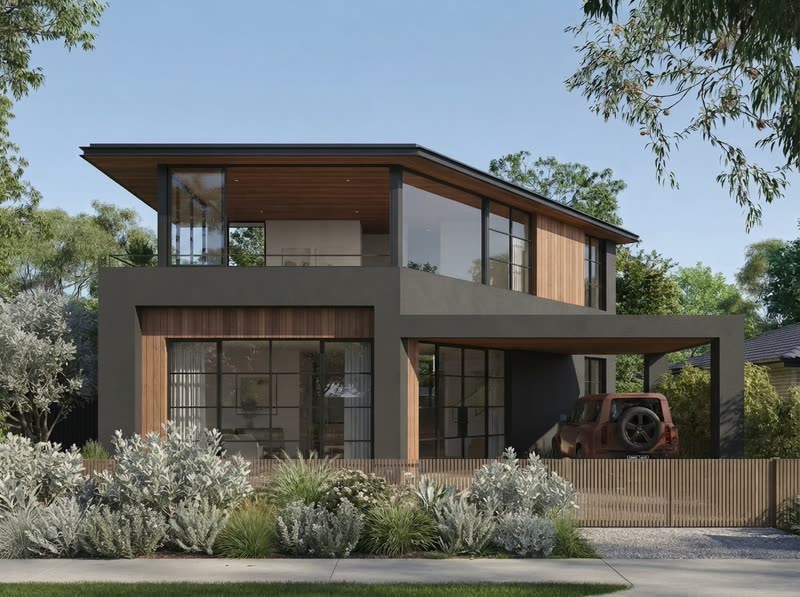
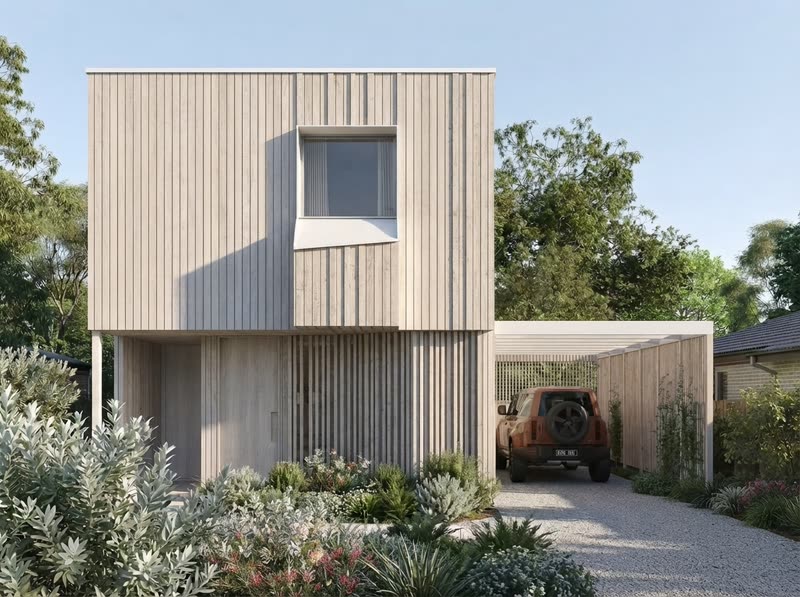
Use the attached image as the fixed base design. Generate 4 photoreal iterations of the same house.

Hold constant: the massing, footprint, roof pitch, window openings, camera angle, lens, golden-hour light, and the native coastal garden.

Vary only the external material language, each a coherent contemporary Australian architecture style:
1. Pale spotted-gum vertical timber battens, black steel window frames.
2. Off-white rendered masonry, deep reveals, bronze frames.
3. Charred shou-sugi-ban blackbutt cladding, minimal trims.
4. Weathered corten steel upper form over an off-form concrete base.

Keep every other element identical so the four read as true variants of one design. Architectural photography, natural light, 3:4.
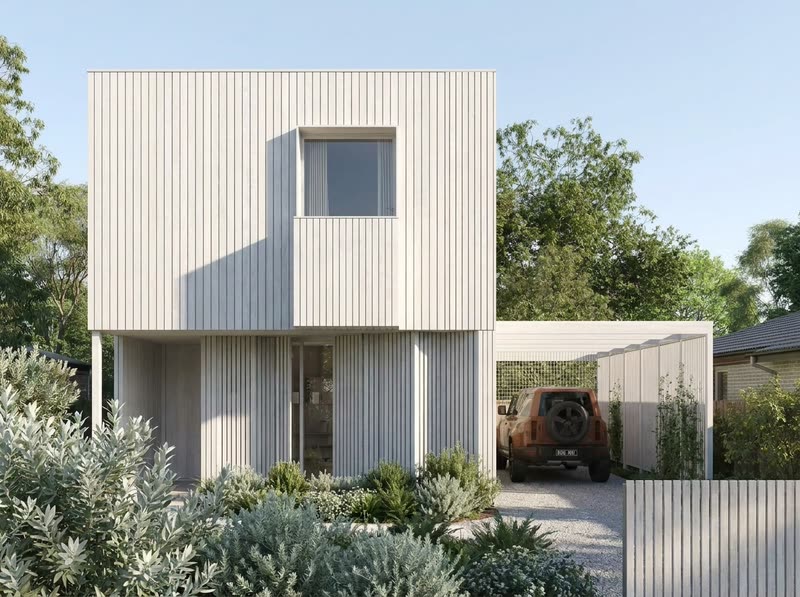
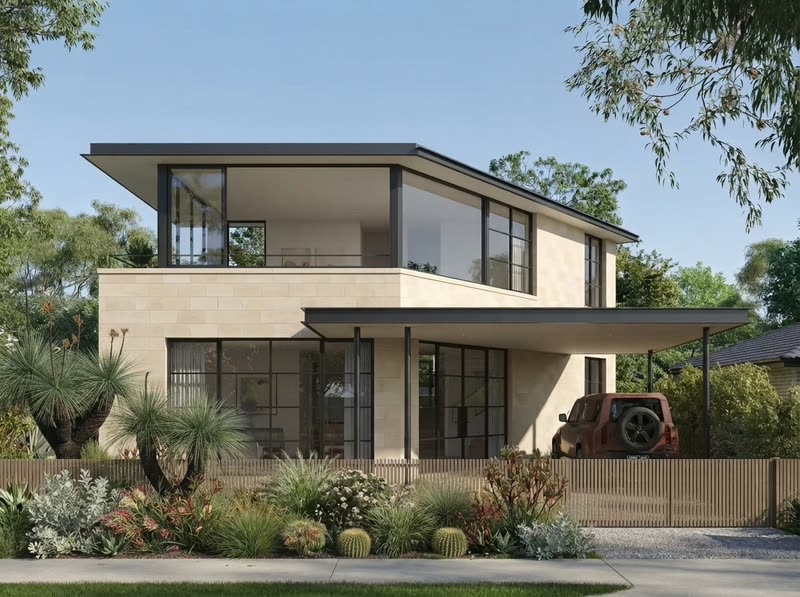
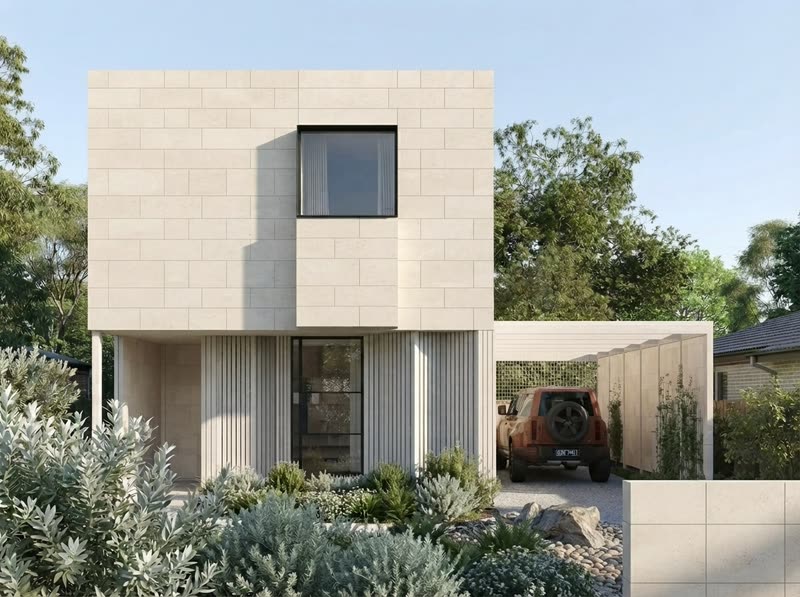
02 — The shiftWhen the options are free, choosing is the job
Here is the uncomfortable part. If anyone can generate a hundred good-looking options for nothing, then generating options is no longer where your value sits. The scarcity moves.
Taste is knowing which of the hundred is actually good — not just competent, but right. The model has no preferences. It will make the mediocre option as convincingly as the excellent one.
Judgment is knowing which one suits this site, this orientation, this budget, this client and this climate. A render cannot read a planning overlay or a family's habits.
Experience is the quiet one. It is feeling why a design works just that little bit better — the way a plan lands, the way light falls at 4pm in July, the way people will actually move through it — often before you can fully explain it. That feel is earned, not generated.
The machine can draw a thousand doors. It cannot tell you which one people will want to walk through.
03 — The upsideThis is not the end of the job. It is the end of the busywork.
It is easy to read all of this as loss. I read it as the opposite, and we have been here before.
The typewriter was meant to shrink the office; it gave us a century of knowledge workers. AI was meant to replace radiologists; the field is now growing. The tools keep changing what we do. They do not change our capability, or our accountability when a real building gets built.
What this hands back is the one thing no project ever has enough of: time. Time for the judgment, the site, the client, and the slow, human work that was always the actual point of the job.
So I am not worried about iteration becoming free. I am glad. It clears away the part that was never really design, and leaves the part that always was: choosing well, for real people, on a real site.